- English
- French
- German
- Portuguese
- Spanish
- Russian
- Japanese
- Korean
- Arabic
- Greek
- German
- Turkish
- Italian
- Danish
- Romanian
- Indonesian
- Czech
- Afrikaans
- Swedish
- Polish
- Basque
- Catalan
- Esperanto
- Hindi
- Lao
- Albanian
- Amharic
- Armenian
- Azerbaijani
- Belarusian
- Bengali
- Bosnian
- Bulgarian
- Cebuano
- Chichewa
- Corsican
- Croatian
- Dutch
- Estonian
- Filipino
- Finnish
- Frisian
- Galician
- Georgian
- Gujarati
- Haitian
- Hausa
- Hawaiian
- Hebrew
- Hmong
- Hungarian
- Icelandic
- Igbo
- Javanese
- Kannada
- Kazakh
- Khmer
- Kurdish
- Kyrgyz
- Latin
- Latvian
- Lithuanian
- Luxembou..
- Macedonian
- Malagasy
- Malay
- Malayalam
- Maltese
- Maori
- Marathi
- Mongolian
- Burmese
- Nepali
- Norwegian
- Pashto
- Persian
- Punjabi
- Serbian
- Sesotho
- Sinhala
- Slovak
- Slovenian
- Somali
- Samoan
- Scots Gaelic
- Shona
- Sindhi
- Sundanese
- Swahili
- Tajik
- Tamil
- Telugu
- Thai
- Ukrainian
- Urdu
- Uzbek
- Vietnamese
- Welsh
- Xhosa
- Yiddish
- Yoruba
- Zulu
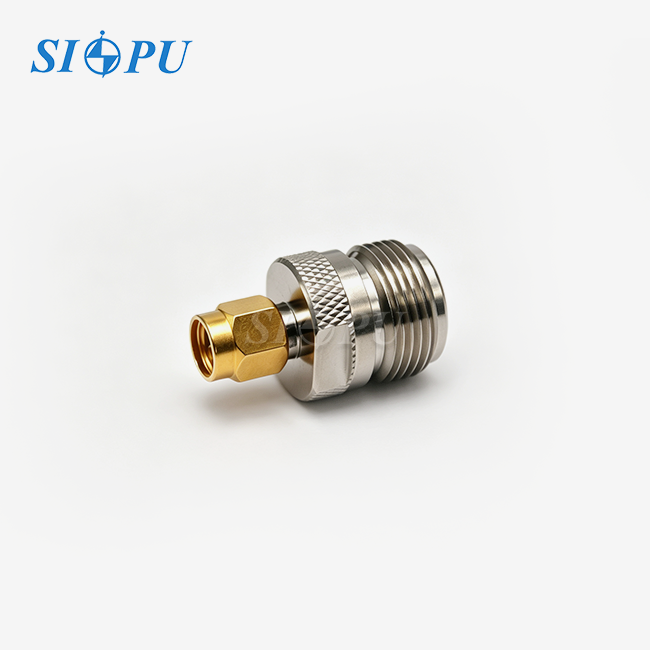
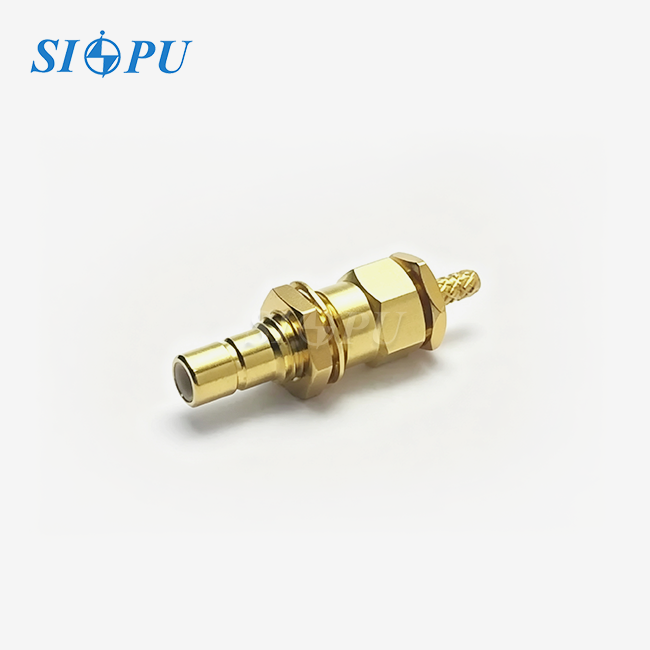
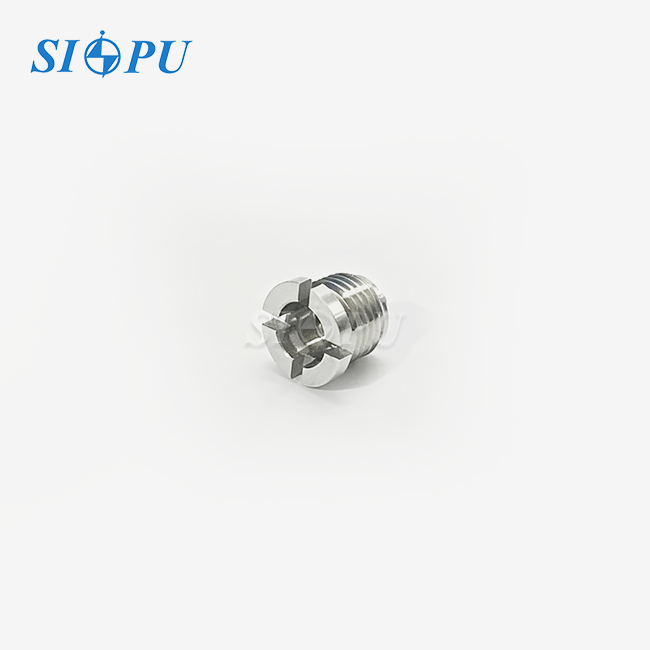
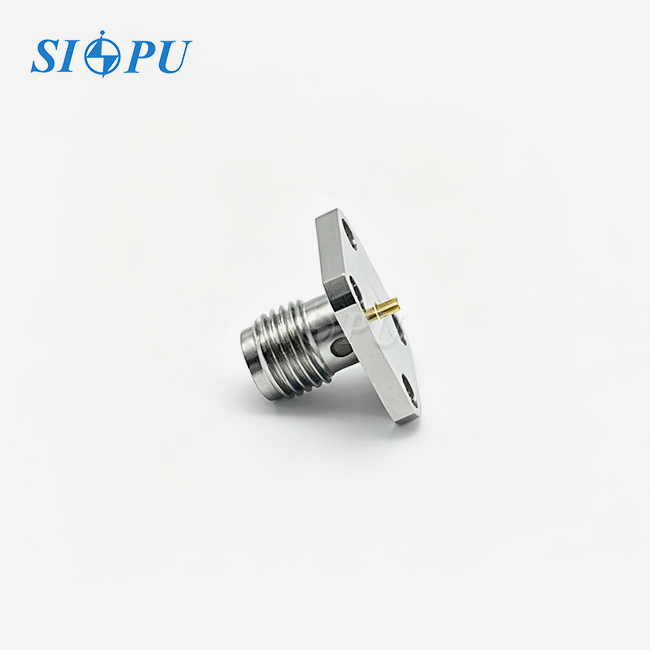
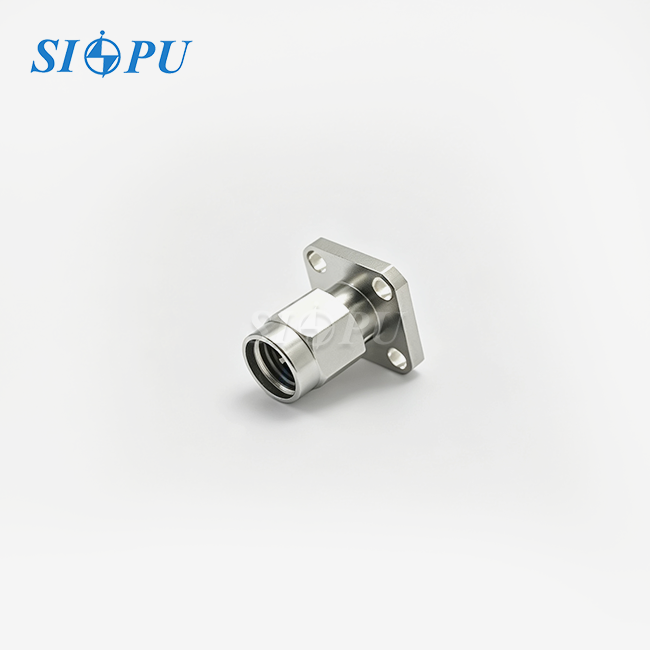
2.4mm Female to 2.92mm Male Adapter
Characteristic Impedance: 50 Ω
Connection Method: Adapter configuration with dual-interface mating design
Mechanical Performance: Suitable for demanding and high-reliability operating environments
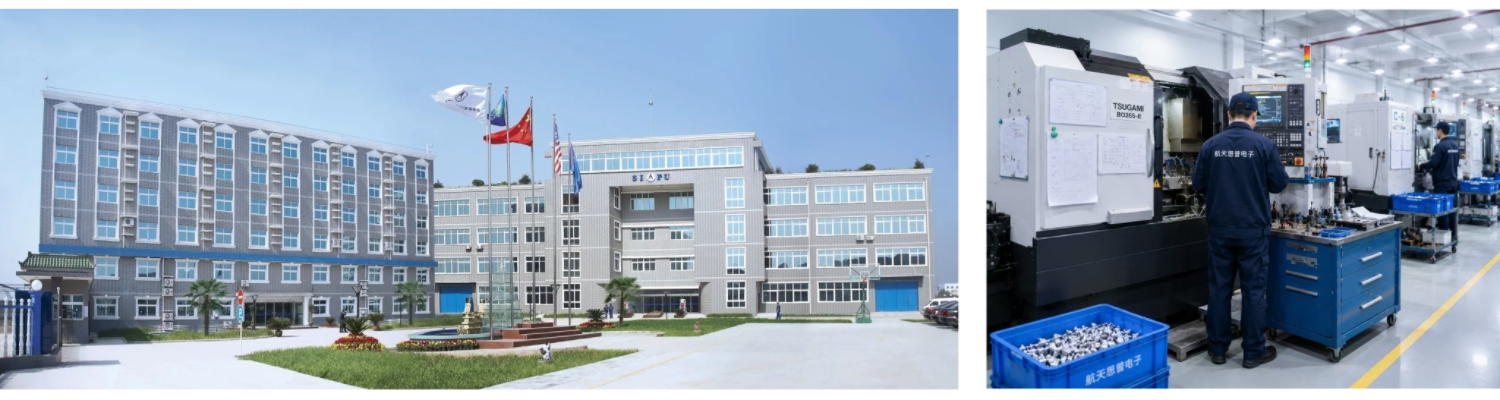
Manufacturing Capability: Extensive manufacturing experience with in-house production lines
Service Support: Product selection assistance with one-stop technical support
2.4mm Female to 2.92mm Male Adapter – High-Performance RF Interconnect Solution
SIPU RF Technology’s 2.4mm female to 2.92mm male adapter (Model: SIPU-2.4/2.92-KJ) is a precise connectivity solution for millimeter-wave and high frequency applications. This converter works well with 50Ω characteristic impedance from DC to 40GHz.
The device provides excellent VSWR performance of ≤1.05 + 0.008F(GHz) and ultra-low insertion loss of ≤0.05√F(GHz)dB, which ensures minimum signal degradation in difficult test settings. Dielectric Withstanding Voltage: 500V Insulation Resistance: Over 5,000MΩ This adapter satisfies the strict criteria of dependability.
The adapter is constructed of aerospace quality materials including a brass outer conductor and a gold plated beryllium bronze center contact for over 500 mating cycles. Operating temperature range from -65℃ to +125℃, suitable for extreme environmental conditions in telecommunications, defence systems and laboratory instrumentation.
What Is a 2.4mm Female to 2.92mm Male Adapter?
The 2.4mm Female to 2.92mm Male Adapter is an important link between two different mm wave connection standards. The 2.4mm interface is good to 50 GHz, and the 2.92mm interface (K connector) is rated at 40 GHz.
This adapter eliminates the “destructive mating” issue when trying to directly link physically mismatched interfaces. Even though they seem the same, direct mating would irreparably destroy the central pins.
This adapter is used by engineers to link their high frequency test equipment to measuring devices without affecting the signal integrity. It offers a calibrated transition route that preserves electrical performance and protects expensive equipment.
Technical Specifications
| Parameter | Specification |
|---|---|
| Model | SIPU-2.4/2.92-KJ |
| Frequency Range | DC - 40 GHz |
| Characteristic Impedance | 50Ω |
| VSWR | ≤1.05 + 0.008F(GHz) |
| Insertion Loss | ≤0.05√F(GHz)dB |
| Dielectric Withstanding Voltage | 500V |
| Insulation Resistance | ≥5,000MΩ |
| Center Contact Resistance | ≤4.0mΩ |
| Outer Contact Resistance | ≤2.5mΩ |
| Mating Cycles | ≥500 |
| Operating Temperature | -65℃ to +125℃ |
| Orientation | Straight |
| Outer Conductor Material | Brass, gold plating |
| Center Conductor Material | Beryllium bronze, gold plating |
| Dielectric Material | PEI |
| Sealing Material | Silicon rubber |
Key Features and Advantages
Precision Interface Transition
The adapter provides reliable conversion between 2.92mm male and 2.4mm female interfaces. This configuration enables seamless integration of different RF equipment types in complex test setups.
Engineers can connect vector network analyzers, signal generators, and spectrum analyzers without worrying about interface damage. The secure mechanical design ensures repeatable measurements across multiple test cycles.
Outstanding Electrical Performance
The low insertion loss feature helps maintain signal integrity over the millimetre wave band. The adapter ensures steady VSWR performance, which is crucial for reliable S-parameter measurements.
Contact resistance specs: center contacts 4.0mΩ, outside contacts 2.5mΩ to minimise signal attenuation. This guarantees your measurements are representative of device performance and not mistakes generated by the adapter.
Robust Construction
Extreme durability is provided by gold-plated brass exterior conductors and beryllium bronze core contacts. Gold plating offers better corrosion resistance and constant contact performance throughout the years.
PEI dielectric material has the features of great heat stability and low losses. In difficult working settings, silicon rubber protects internal components from moisture and contamination.
Extended Operational Life
With a minimum rating of 500 mating cycles, this adapter supports intensive laboratory use. The precision-machined contacts maintain dimensional stability throughout the product lifecycle.
The wide operating temperature range from -65℃ to +125℃ accommodates diverse application environments. Whether you're conducting cryogenic testing or high-temperature qualification, this adapter performs reliably.
Primary Applications
Vector Network Analyzer Calibration
Laboratory engineers use this adapter to connect 2.4mm test port cables to 2.92mm devices under test. This enables accurate S-parameter measurements in Ka and Q frequency bands.
The adapter becomes an essential component in calibration kits for millimeter-wave testing. It maintains phase stability and amplitude accuracy required for precision metrology applications.
Telecommunications Infrastructure
In 5G and emerging 6G development environments, engineers need to interface mmWave modules with existing microwave infrastructure. This adapter provides the necessary connectivity between sub-6 GHz and millimeter-wave systems.
Test benches for base station components, phased array antennas, and beamforming networks rely on these adapters. They enable rapid prototyping and performance validation of next-generation wireless technologies.
Aerospace and Defense Systems
Satellite communication ground stations utilize this adapter to bridge high-power transmitters with sensitive receiver modules. Different connector standards handle power versus signal sensitivity requirements.
Radar systems, electronic warfare equipment, and aerospace test platforms require reliable millimeter-wave connections. The adapter's rugged construction withstands vibration, thermal cycling, and other environmental stresses common in defense applications.

Quality Control Process
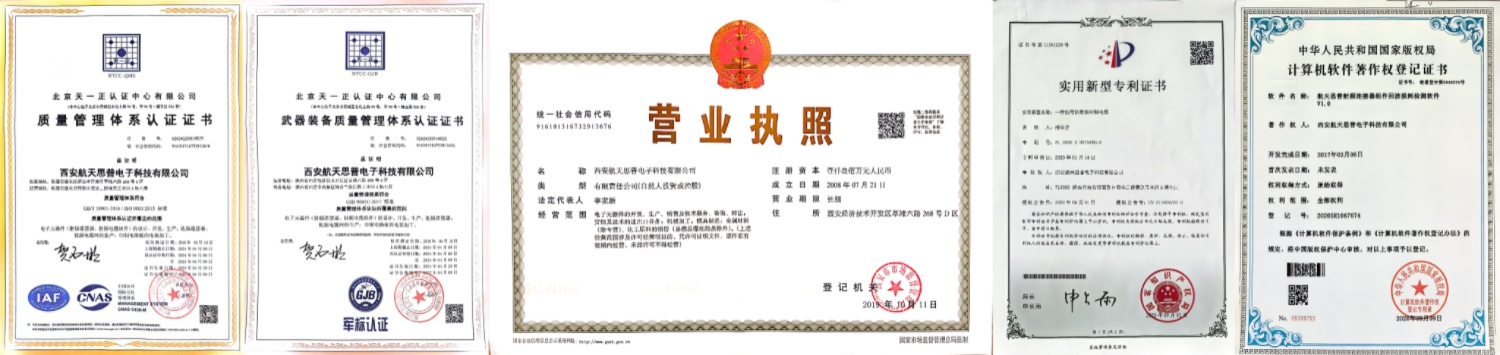
SIPU RF Technology implements comprehensive quality verification protocols to ensure consistent performance. Every adapter undergoes systematic inspection before shipment.
Electrical Performance Testing
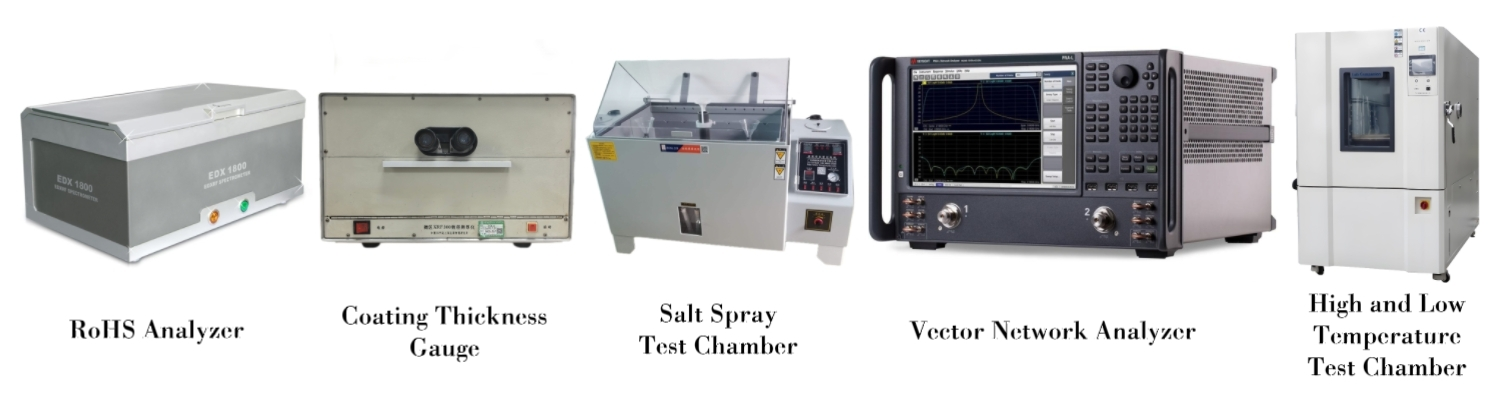
Each unit receives dielectric withstanding voltage testing using specialized insulation testers. This verifies the 500V voltage rating and confirms insulation resistance exceeds 5,000MΩ.
Precision structural design ensures qualified VSWR and insertion loss. Multiple batch tests confirm superior performance, and sampling inspections are conducted to guarantee consistent, repeatable electrical properties among batches.
Material and Plating Inspection
Batch-level inspection protocols verify plating thickness and adhesion strength on all contact surfaces. Gold plating quality directly impacts contact resistance and long-term reliability.
Every production batch undergoes RoHS environmental compliance testing. This confirms the adapter meets international regulations for hazardous substance restrictions.
Dimensional Verification
Precision measurement equipment validates critical mechanical tolerances. Interface dimensions must maintain sub-micron accuracy to prevent center contact damage during mating.
Visual inspection under magnification identifies surface defects, burrs, or contamination. Clean air-dielectric interfaces are essential for maintaining specified VSWR performance.
Frequently Asked Questions
Q: What frequency range does this adapter support?
A: The adapter operates from DC to 40 GHz, limited by the 2.92mm interface specifications. While the 2.4mm side supports frequencies to 50 GHz, the assembly's maximum usable frequency is determined by the lower-rated connector.
Q: Can I mate this adapter with 3.5mm or SMA connectors?
A: No. Attempting to mate 2.4mm interfaces with 3.5mm or SMA connectors will cause immediate mechanical damage to center pins. Always verify connector compatibility before making connections.
Q: How should I maintain this adapter?
A: Clean contacts with high-purity isopropyl alcohol and lint-free swabs. Use compressed dry air to remove debris. Store in a protective case when not in use to prevent contamination of the air dielectric.
Q: What is the recommended mating torque?
A: Follow industry-standard torque specifications of 8 in-lbs (0.9 Nm) using a calibrated torque wrench. Proper torque prevents interface deformation while ensuring optimal electrical contact.
Q: How many times can I mate and unmate this adapter?
A: The adapter is rated for a minimum of 500 mating cycles under normal operating conditions. Proper handling and correct torque application maximize operational lifespan.
Ready to Enhance Your RF Test Capabilities?
Our 2.4mm Female to 2.92mm Male Adapter's team provides technical support for adapter selection and custom interconnect solutions.
Email us at info@sipuconn.com for product inquiries, technical specifications, or volume pricing information.
Contact us directly for customized solutions, quotations and long-term strategic cooperation.