- English
- French
- German
- Portuguese
- Spanish
- Russian
- Japanese
- Korean
- Arabic
- Greek
- German
- Turkish
- Italian
- Danish
- Romanian
- Indonesian
- Czech
- Afrikaans
- Swedish
- Polish
- Basque
- Catalan
- Esperanto
- Hindi
- Lao
- Albanian
- Amharic
- Armenian
- Azerbaijani
- Belarusian
- Bengali
- Bosnian
- Bulgarian
- Cebuano
- Chichewa
- Corsican
- Croatian
- Dutch
- Estonian
- Filipino
- Finnish
- Frisian
- Galician
- Georgian
- Gujarati
- Haitian
- Hausa
- Hawaiian
- Hebrew
- Hmong
- Hungarian
- Icelandic
- Igbo
- Javanese
- Kannada
- Kazakh
- Khmer
- Kurdish
- Kyrgyz
- Latin
- Latvian
- Lithuanian
- Luxembou..
- Macedonian
- Malagasy
- Malay
- Malayalam
- Maltese
- Maori
- Marathi
- Mongolian
- Burmese
- Nepali
- Norwegian
- Pashto
- Persian
- Punjabi
- Serbian
- Sesotho
- Sinhala
- Slovak
- Slovenian
- Somali
- Samoan
- Scots Gaelic
- Shona
- Sindhi
- Sundanese
- Swahili
- Tajik
- Tamil
- Telugu
- Thai
- Ukrainian
- Urdu
- Uzbek
- Vietnamese
- Welsh
- Xhosa
- Yiddish
- Yoruba
- Zulu
Why Choose TNC Male Connector Nickel Plated RG316?
If you're sourcing RF connectors for base station, antenna, or industrial OEM applications, the TNC male connector nickel plated RG316 deserves serious consideration. A threaded Neill-Concelman interface, a nickel-plated brass body, and a gold-plated center contact make up this connector. It terminates in an RG316 Teflon coaxial cable. The impedance is 50 Ω from DC to 11 GHz and the temperature range is -65°C to +125°C. It is sized according to IEC 60169-25 and MIL-STD-348. This makes it a solid alternative for developing telecom, aerospace and test equipment.
Understanding TNC Male Connector Nickel Plated RG316
Three types of materials are used to make the TNC male connector nickel plated RG316. These materials all work well together. The nickel covering on the brass upper conductor makes the surface 400–600 HV hard. This makes it much more resistant to rust and wear than brass that isn't covered in nickel. The bronze center contact is gold-plated, which keeps the resistance of the contact at or below 2 mΩ. This keeps the quality of the signal high over hundreds of mating cycles. A PTFE insulator is in between them. It has low dielectric loss and keeps the electrical performance stable across the whole temperature range.
Electrical Performance Parameters
The SIPU-TNC-J3-1 type has a VSWR of -1.30 and an insertion loss of -0.06√F(GHz) dB. The dielectric can handle up to 1,500 V of voltage, and the insulation resistance is more than 5,000 MΩ. The numbers show that the TNC male connector nickel plated RG316 keeps the signal strong even in places with a lot of power or humidity.
Mechanical Durability
The threaded coupling mechanism securely locks the interface, so it can't come apart by accident when there is vibration or mechanical shock. This connection can be mated 500 times so it can take being used in the field where connections are regularly linked and detached. An additional protection against water is provided by a silicon rubber sealing ring and is suitable for outdoor base stations and industrial enclosures.
Installation Guidance
To put RG316 together correctly, you need crimp tools that are measured and the right size for the hex. Be careful when taking off the PTFE insulator; if you damage the center wire, the VSWR will rise. Before mating, use Go/No-Go gages to make sure that the center pin protrusion meets the MIL-C-39012 standards. Put thread-locking glue on the tail section and tighten it to the right level of pressure to keep it from coming apart without putting too much pressure on the inside parts.
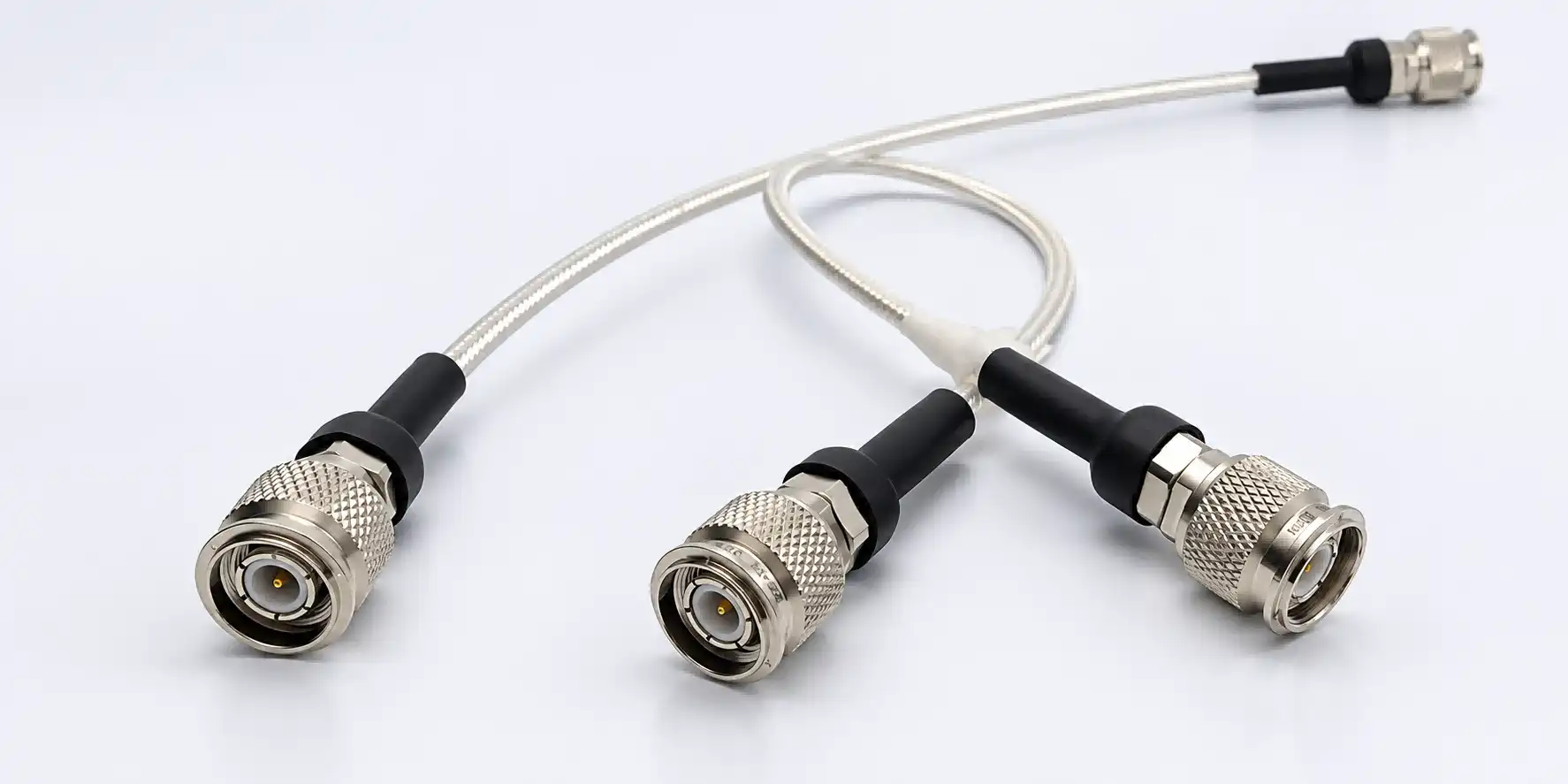
Comparing TNC Male Connectors with Other RF Connectors for RG316
When picking the right connector type for RG316 cable, you need to think about your project budget as well as the frequency range, coupling method, and environmental durability.
The four most common types of RG316 connectors are shown below side by side:
- TNC vs. SMA: SMA connectors reach 18 GHz or higher and suit laboratory-grade high-frequency work, but their small threads are fragile under repeated field handling. The TNC male connector nickel plated RG316 uses a larger M12×1.0 thread that is far more tolerant of field assembly and vibration, making it the better pick for base station and antenna OEM use.
- TNC vs. BNC: BNC connectors have a bayonet lock that makes them quick to connect, but they are only rated for 4 GHz and can come loose in places with a lot of vibration. A lot of mechanical stress keeps the threaded TNC interface locked, which is why it's used in avionics and military radio programs.
- TNC vs. N-type: N-type connectors share the threaded interface and reach 11 GHz, but their larger body adds weight and bulk. For compact RG316 assemblies inside base station chassis, the TNC male connector nickel plated RG316 offers a better size-to-performance ratio.
- Both TNC and BNC connections have a bayonet lock that makes them easy to connect. However, BNC connectors are only designed for 4 GHz and can come loose in places where there is a lot of shaking. The threaded TNC interface stays locked because it's under a lot of mechanical stress. This is why it's used in military radio and radar systems. This combination in the TNC male connector nickel plated RG316 balances cost and performance well.
It has a good frequency range, a sturdy coupling, and cheap plating for bulk OEM purchases. These trade-offs show that the TNC male connector nickel plated RG316 is a good compromise.
How to Choose the Right TNC Male Connector Nickel Plated for Your RG316 Cable
Before you can choose the right connector, you need to know what your electrical needs are. These should include a 50 Ω impedance, a VSWR budget of ≤1.30, and the highest frequency that your RG316 cable can handle. Although the TNC male connector nickel plated RG316 is rated to 11 GHz, cable attenuation in RG316 becomes significant above 6 GHz, so in practice, most engineers aim for the 3–6 GHz window.
Compliance and Certification Checks
Any connector that wants to be used in a business telecom or military supply chain needs to have paperwork that proves it meets the requirements. RoHS, REACH, IEC, CE, and UL all say that the TNC male connector nickel plated RG316 from SIPU is safe. Make sure that your supplier gives you batch-by-batch compliance certificates instead of general statements.
Supplier Evaluation Criteria
The biggest risk in buying a lot of RF connectors is making sure that each batch is the same. When engineers are looking for the TNC male connector nickel plated RG316, they should make sure that the test data, coating thickness reports, and salt spray test results (minimum 48 hours per MIL-STD-202, Method 101) are all VNA-verified and sent with each production lot. A supplier that can't give these papers when asked is a liability in the supply chain.
Balancing Price and Reliability
Nickel-plated connectors cost less per unit than gold-plated ones, but the real cost of buying them relies on how regular the numbers are, how well the paperwork is done, and how well the seller can handle large orders that come in quickly. When it comes to the TNC male connector nickel plated RG316, SIPU has its own production lines, supports rapid prototyping, and can deliver standard stock within 72 hours.
Procurement and Supply Chain Considerations for Nickel Plated TNC Male RG316 Connectors
When you buy a lot of RF connectors, you start to see risks that you didn't see before. Defects in plating adhesion during thermal cycling, changes in specifications between batches, and supplier stock-outs during product ramp-up are all things that can cause schedule delays.
SIPU addresses these risks through multi-layer inspection at every production batch. Every lot of the TNC male connector nickel plated RG316 undergoes dielectric withstanding voltage testing, insulation resistance measurement, plating thickness verification, and per-batch RoHS testing before shipment. This process keeps batch-to-batch variation within published specification limits.
Sourcing Platforms and Lead Times
SIPU offers domestic stock in China and works with its North American partner, JNP Supplies LLC in Seattle, Washington, to support US-based procurement of the TNC male connector nickel plated RG316. Standard connector models ship within 72 hours; custom assemblies receive priority production scheduling.
Volume Pricing and Sample Strategy
You can place mixed-price sample orders to make sure the engineering works before committing to a large order. This procurement process is similar to the standard inquiry-sample-volume production cycle that most OEM engineering teams use. Before you place an order for production, you can use sipuconn.com to get sample datasheets and dimensional drawings.
Risk Mitigation Through Supplier Audits
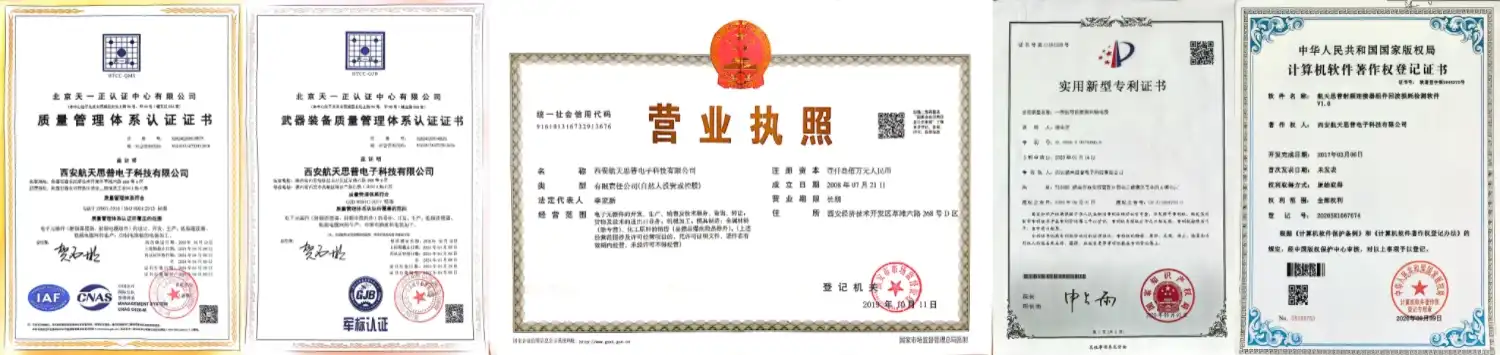
Auditing a supplier's ISO 9001 certification, production equipment, and testing capability before qualification reduces the probability of batch failures reaching your assembly line. SIPU operates under ISO 9001 certified quality management and supports customer audits by providing complete process documentation.
Maintenance, Performance Optimization, and Long-Term Value of TNC Nickel Plated Connectors on RG316
If you take good care of your tnc connector assembly, it will keep its electrical specifications for years. Check the state of the threads, the straightness of the center pin, and the soundness of the sealing ring on a regular basis. Before putting things back together, use a lint-free swab to clean the matching surfaces with rubbing alcohol. Dirt on the contact interface raises contact resistance and lowers VSWR.
Testing Tools for Field Verification
In the field, you can check return loss and insertion loss with a scalar network analyzer that fits in your pocket or a standardized wire and antenna tester. If an assembly's VSWR is higher than 1.35 at your working frequency, it needs to be replaced.
Long-Term Value Calculation
500 mating cycles are allowed for the nickel plated RG316 TNC male connector. In a base station setting, where connectors are only mated once during installation and checked once a year, this rating covers decades of use. If you buy a connector from a reputable supplier that has been tested to make sure that each batch is the same, you can avoid expensive replacements in the field and warranty claims.
Professional Assembly Services
SIPU offers full cable assembly services for teams without in-house crimp tooling. These services use TNC male connector nickel plated RG316 with RG316/U cable, which is tested to customer-specified electrical parameters before shipping.
Conclusion
The TNC male connector nickel plated RG316 has a threaded locking interface, a nickel-plated brass housing, a gold-plated center contact, and a PTFE dielectric. It comes in a package that can handle temperatures between -65°C and +125°C, DC to 11 GHz, and 500 attempts to connect. It has been cleared by IEC, RoHS, REACH, CE, and UL, which means it can be used in telecom OEM, industrial RF, and test equipment. You can protect your supply chain from batch inconsistency and standard drift when you buy this connector from a qualified seller that can be checked out. These two risks cost a lot more to fix on the production line than they do to avoid during the sourcing stage.
FAQ
1. Why choose nickel plating over gold on the connector body?
Nickel is cheaper than gold and has a surface hardness of 400–600 HV. It also doesn't oxidize easily. The key electrical path passes through the gold-plated center contact of the TNC male connector, so hardness is more important than conductivity for the outer conductor of the nickel plated RG316.
2. Can this connector terminate RG174 cable?
RG174 and RG316 have similar outside diameters, but RG316 has a copper conductor that is silver-plated inside a Teflon dielectric. For the best crimp integrity and electrical contact, the internal ferrule and pin measurements of the TNC male connector nickel plated RG316 are matched to RG316's unique geometry.
3. Is the connector waterproof?
Standard TNC connections can handle the weather. To get IP67 or IP68, you need an O-ring inside and heat shrink with an adhesive liner over the crimp sleeve. Before finalizing the assembly specification, check with your supplier to make sure they meet the IP rating requirements.
4. What is the practical frequency ceiling?
The connecting body works up to 11 GHz, but above 6 GHz, the RG316 wire attenuation becomes a problem. In the 3–6 GHz band, where cable loss is still manageable, most base station and industrial RF applications that use the TNC male connector nickel plated RG316 work.
5. How do I achieve the best VSWR during assembly?
For RG316, use precise clip tools that are made for hex. Spread out the PTFE insulator, use a Go/No-Go gage to make sure the center pin doesn't stick out, and tighten the threaded interface to the required level. Most problems with field VSWR can be fixed with these three steps.
Get a Quote from SIPU — Your Trusted TNC Male Connector Nickel Plated RG316 Supplier
SIPU has been making RF interconnects since 1998. With a 28-year production history, we can guaranty that every batch will meet the same standards. We can help you with the whole buying process for the TNC male connector nickel plated RG316, whether you need prototype samples or large orders. We offer verified test data, standard delivery in 72 hours, and quick engineering support. You can email our team at info@sipu-rf.com or go to sipuconn.com to get datasheets, sample prices, or a rate for production.
References
1. Amphenol RF. RF Connector Application Guide. Amphenol Corporation, 2021.
2. IEC 60169-25. Radio-Frequency Connectors — Part 25: R.F. Coaxial Connectors with Inner Diameter of Outer Conductor 7 mm (0.276 in) with Screw Coupling — Characteristic Impedance 50 Ω (Type TNC). International Electrotechnical Commission, 2019.
3. MIL-STD-348B. Interface Standard: Radio Frequency Connector Interfaces for MIL-PRF-39012, MIL-PRF-55339, MIL-PRF-23053, and Other Similar Connectors. U.S. Department of Defense, 2016.
4. MIL-C-39012. Connectors, Coaxial, Radio Frequency, General Specification for. U.S. Department of Defense, 2019.
5. Harper, Charles A. Electronic Packaging and Interconnection Handbook, 4th ed. McGraw-Hill, 2004.
6. Wadell, Brian C. Transmission Line Design Handbook. Artech House, 1991.
Contact us directly for customized solutions, quotations and long-term strategic cooperation.